Cómo Dormirse Rápido: 4 Técnicas Que Funcionan de Verdad
Investigado y escrito por Equipo Editorial de Still You · Última actualización: 7 de mayo de 2026
Nadie se duerme al instante. ¿Pero en 2-5 minutos? Eso es real. Cuatro técnicas basadas en evidencia para calmar tu cerebro y cuerpo esta noche.
Equipo Editorial de Still You
Equipo de Investigación en Bienestar
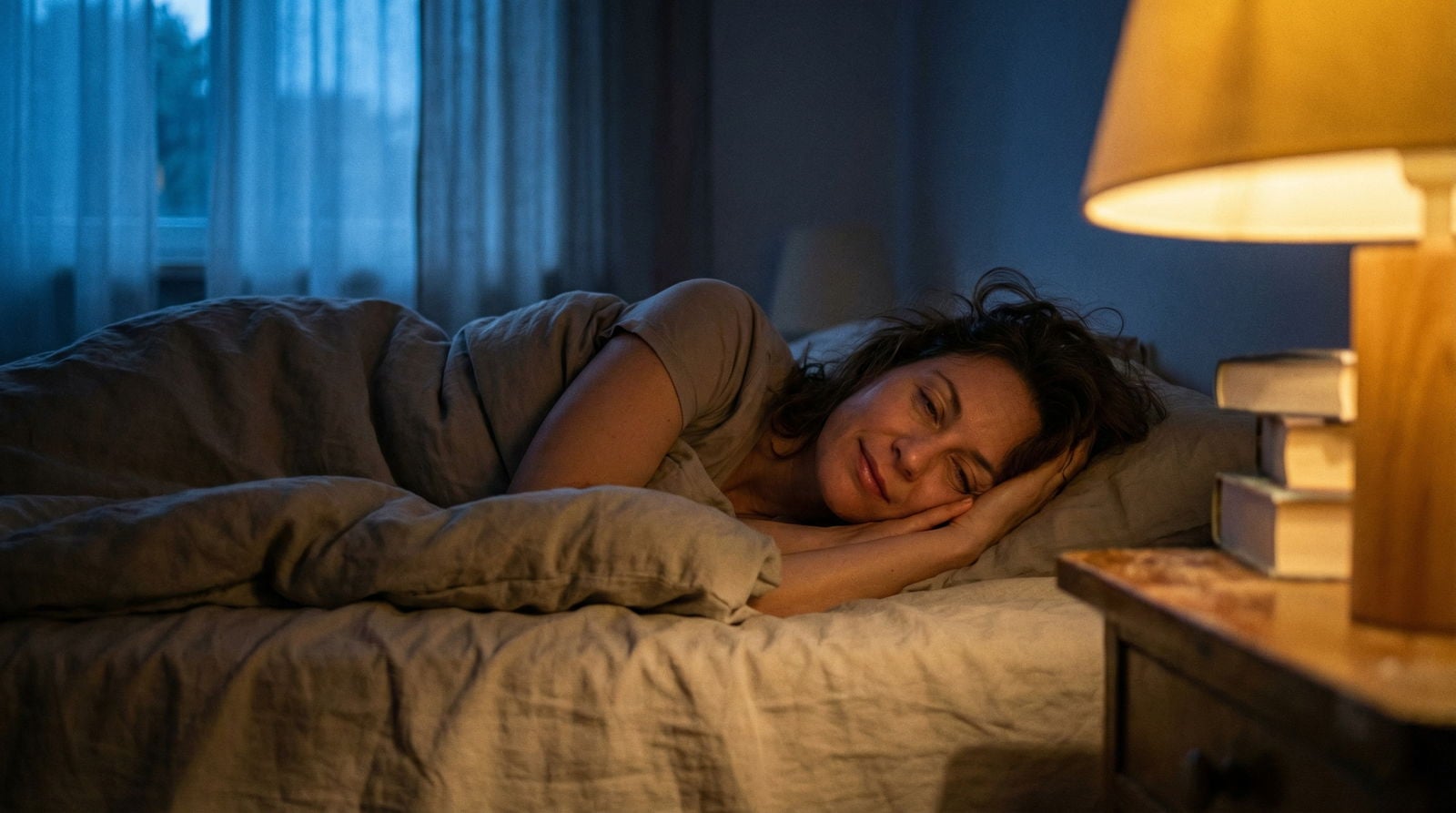
Anoche estaba en la cama a la 1:17 de la madrugada, plenamente consciente de que buscar en Google "cómo dormirse rápido" no me ayudaba precisamente a conciliar el sueño. La ironía no se me escapaba. Pero esto es lo que he aprendido después de revisar la investigación real: nadie se duerme al instante. Tu cerebro físicamente no puede hacerlo. Lo que tu cerebro sí puede hacer es cruzar el umbral hacia el sueño en dos a cinco minutos — si le das la secuencia correcta de señales.
Puntos clave
- El sueño verdaderamente "instantáneo" es neurológicamente imposible — pero la conciliación del sueño en 2-5 minutos es alcanzable y está clínicamente documentada
- Tu cerebro necesita tres señales simultáneas para activar el sueño: respiración lenta, músculos relajados y mente tranquila
- El método de respiración 4-7-8 activa tu sistema nervioso parasimpático al hacer que tu exhalación sea el doble de larga que tu inhalación
- Si estas técnicas fallan constantemente, eso es información diagnóstica — no un fracaso personal
Por Qué "Instantáneamente" Significa 2-5 Minutos (No Literalmente Instantáneo)
Cada artículo que promete que te dormirás en 10 segundos está mintiendo. No exagerando — mintiendo. Un estudio de 2025 del Imperial College London mapeó datos de EEG de más de 1.000 participantes y encontró algo fascinante: la conciliación del sueño no es gradual. Es un cambio súbito — los investigadores lo llaman una "bifurcación" — como un palo que se dobla hasta que se rompe. Pero ese quiebre aún necesita tiempo para construirse.
La Sleep Foundation define la latencia normal del sueño como 10-20 minutos. Dormirse en menos de cinco minutos significa que tienes mucha práctica o sufres privación de sueño. Si regularmente te duermes en menos de dos minutos, eso podría en realidad señalar un problema de deuda de sueño que vale la pena atender.
¿Entonces el objetivo honesto? Pasar de completamente despierto a dormido en el tiempo que tarda en calentarse la comida en el microondas. No es glamuroso. Pero es real. Y si has estado tumbado en la cama durante horas sin poder dormir, reducir eso a cinco minutos te parecerá milagroso.
La Orden de Sueño de 3 Partes a la Que Tu Cerebro Realmente Responde
Tu cerebro no responde a "vete a dormir" más de lo que responde a "deja de sentir ansiedad". A lo que sí responde es a señales fisiológicas — tres de ellas, específicamente, trabajando juntas.
Ralentiza tu respiración. Las exhalaciones prolongadas activan el nervio vago, lo que desplaza tu sistema nervioso autónomo del simpático (lucha o huida) hacia el parasimpático (descanso y digestión). Este es el principio central detrás de las técnicas de respiración y por qué aparecen en prácticamente todos los protocolos de sueño.
Libera la tensión muscular. Tu cerebro lee la tensión muscular como una señal de que algo va mal. La relajación progresiva — tensar y liberar sistemáticamente grupos musculares — le dice a tu sistema nervioso que la amenaza desapareció. Es el mismo mecanismo detrás de regular tu sistema nervioso durante el día.
Ocupa tu mente. No la vacíes. Ocúpala. Los pensamientos acelerados no son el problema — son los pensamientos acelerados sin estructura. Contar, visualizar, escanear el cuerpo — estas actividades le dan a tu córtex prefrontal algo lo suficientemente aburrido que hacer como para que deje de generar preocupación.
Lo Que Dice la Investigación
El equipo del Imperial College logró una precisión del 98% prediciendo el segundo exacto de conciliación del sueño al rastrear cuándo estos sistemas fisiológicos cruzaban simultáneamente un umbral crítico. El umbral de cada persona era único pero notablemente consistente noche tras noche.
El truco no es hacer una de estas cosas. Es apilarlas las tres.
Práctica: La Secuencia de Escaneo Corporal 4-7-8 (Funciona en 3 Minutos)
Esto combina la técnica de respiración 4-7-8 con un escaneo corporal progresivo. La Dra. Melissa Young de Cleveland Clinic describe la respiración 4-7-8 como una de las técnicas más efectivas para activar el sistema nervioso parasimpático — y la investigación sobre respiración estructurada sugiere que los beneficios se acumulan con la práctica diaria.
Aquí está la secuencia:
Colócate. Lengua en el paladar, detrás de los dientes frontales. Es una cosa del pranayama — solo déjala ahí.
Respira 4-7-8. Inhala por la nariz durante 4 conteos. Retén durante 7. Exhala por la boca durante 8. Haz esto durante dos ciclos completos. Si 4-7-8 resulta demasiado largo, comienza con 3-5-6. La proporción importa más que el conteo exacto.
Escanea hacia abajo. En tu tercer ciclo, lleva la atención a tu frente. Siguiente respiración, tu mandíbula. Luego hombros, brazos, manos. Con cada exhalación, deja que esa área se vuelva pesada. No intentas relajarte — notas lo que ya está ahí y dejas que la gravedad gane.
Deja que el conteo se difumine. Para el ciclo cinco o seis, probablemente perderás la cuenta. Bien. Esa es la bifurcación acercándose.
Si quieres una versión guiada, nuestra herramienta de escaneo corporal te acompaña en esto. Y solo para el componente de respiración, la herramienta de respiración cuadrada es un buen lugar para construir el hábito — mismo principio de estimulación vagal, patrón ligeramente diferente. Hemos escrito más sobre usar la respiración específicamente para sueño profundo si quieres el desglose completo.
Consejo Rápido
Practica esta secuencia primero durante el día — incluso solo dos ciclos en tu escritorio. La respiración cuadrada en el trabajo construye la memoria muscular para que tu cuerpo reconozca la señal más rápido por la noche.
Cuando las Técnicas Rápidas No Funcionan: Lo Que Tu Cuerpo Te Está Diciendo
A veces haces todo bien y aún así miras fijamente al techo. Eso no es un fracaso — es información.
Si no puedes conciliar el sueño incluso cuando sientes agotamiento, tu sistema nervioso puede estar atascado en un estado de hiperactivación que la respiración sola no puede anular. El estrés crónico, la ansiedad no resuelta, o incluso el agotamiento laboral pueden mantener tu sistema nervioso simpático funcionando a toda marcha sin importar lo que tu mente consciente quiera. La fisiología del sueño requiere la supresión coordinada de múltiples neuroquímicos promotores de activación — norepinefrina, histamina, hipocretina — y a veces esos sistemas necesitan más que un ejercicio de respiración para desactivarse.
Algunas cosas que vale la pena probar si la secuencia anterior no funciona:
Levántate. En serio. Veinte minutos tumbado ahí despierto entrenan a tu cerebro para asociar la cama con frustración. Muévete a una silla, haz algo aburrido, vuelve cuando sientas somnolencia.
Revisa tu entorno. El ruido marrón puede enmascarar el tipo de sonidos irregulares que mantienen tu cerebro en modo alerta. Algunas personas juran por el método escandinavo de sueño para la regulación de temperatura.
Y si son tus pensamientos los que no se callan — no tu cuerpo — ese es un problema diferente con un conjunto diferente de soluciones.
Sleep Calculator
Find your optimal bedtime based on sleep cycles.
Conclusión
No hay ningún truco militar secreto que te duerma en 10 segundos. Pero la ciencia real es casi mejor: tu cerebro tiene un punto de inflexión consistente y predecible hacia el sueño, y puedes aprender a alcanzarlo más rápido. La secuencia de escaneo corporal 4-7-8 apila las tres señales que tu sistema nervioso necesita — respiración lenta, músculos sueltos, mente ocupada — en algo que puedes practicar esta noche. No funcionará perfectamente la primera vez. Pero para el final de la semana, probablemente dejarás de buscar consejos de sueño en Google a la 1 de la madrugada. Y si quieres una mano guiada para llegar ahí, la app Still You tiene sesiones de respiración específicas para el sueño diseñadas en torno a exactamente este tipo de secuencia.
Fuentes
- Grossman et al., "Investigación sobre Conciliación Rápida del Sueño," Nature Neuroscience, 2025
- Huberman et al., "Prácticas Breves de Respiración Estructurada," Cell Reports Medicine, 2023
- Cleveland Clinic, "Técnica de Respiración 4-7-8"
- Saper et al., "Cambio de Estado del Sueño," Neuron, 2010
- Fisiología del Sueño, StatPearls, NCBI
- Sleep Foundation, "Latencia del Sueño"
Preguntas frecuentes
¿Cómo funciona realmente el método militar para dormir?
Combina relajación muscular y visualización mental — tensión y liberación desde la cara hasta los pies, luego imaginas una escena tranquila. Es esencialmente un escaneo corporal comprimido. Resulta eficaz para algunas personas, pero no es el «milagro de 10 segundos» que afirma TikTok.
¿Puedo combinar técnicas de respiración con melatonina o ayudas para dormir?
Puedes hacerlo, aunque las técnicas de respiración actúan mediante un mecanismo diferente (regulación del sistema nervioso vs. neuroquímica). Consulta con un profesional sanitario antes de combinar enfoques, especialmente con medicación para dormir con receta.
¿Qué pasa si concilio el sueño rápido pero me despierto constantemente a las 3 de la madrugada?
Eso es un problema diferente — a menudo vinculado a ciclos de cortisol o caídas de azúcar en sangre. Hemos cubierto en detalle por qué te despiertas constantemente a las 3 AM.
¿Dormirse en menos de 2 minutos es mala señal?
Puede indicar una deuda de sueño significativa. La latencia de sueño saludable normal es de **10-20 minutos**. Si te duermes constantemente en menos de 5 minutos, puede sugerir que no obtienes suficiente sueño total.
¿Hay riesgos al practicar la respiración 4-7-8?
Para la mayoría de las personas, no. Si tienes una afección respiratoria o sientes mareo durante la retención del aliento, acorta los conteos o elimina la retención por completo. La exhalación prolongada es la parte más importante.
¿Funciona esto para personas con insomnio crónico?
Las técnicas de respiración y relajación pueden ayudar con dificultades de sueño leves a moderadas. El insomnio crónico a menudo implica patrones de hiperactivación que se benefician de la TCC-I (terapia cognitivo-conductual para el insomnio) — un enfoque clínico estructurado con evidencia sólida.
Descarga Still You
Experimenta ejercicios de respiración guiada, relatos para dormir y sesiones de mindfulness. Tu santuario de paz interior.
Investigado y escrito por Equipo Editorial de Still You
Equipo de Investigación en Bienestar
Nuestro equipo editorial colabora en cada artículo, combinando investigación de fuentes revisadas por expertos con las perspectivas de profesores de meditación y escritores de salud.
Continúa Tu Viaje
Acostado en Cama Horas Sin Dormir? Rompe el Ciclo
Detén la espiral de ansiedad de estar acostado en cama horas sin dormir. Aprende el protocolo de reinicio de 20 minutos respaldado por restricción del sueño y TCC-I.
Beneficios de Dormir en el Suelo: Ciencia y Práctica
Dormir en el suelo afecta tu sistema nervioso, alineación espinal y arquitectura del sueño. Esto es lo que muestra la investigación—con un protocolo de adaptación de 7 días.
¿Sigues despertando a las 3am? La verdadera razón (+ solución)
Tu cerebro aprendió a despertarte a las 3am mediante excitación condicionada. Aquí la neurociencia detrás y un protocolo de 3 minutos para reentrenar tu ciclo de sueño...