Técnicas de respiración: guía completa
Investigado y escrito por Equipo Editorial de Still You · Última actualización: 7 de mayo de 2026
Domina el breathwork con nuestra guía. Aprende respiración 4-7-8, diafragmática y más técnicas científicas para el estrés y concentración.
Equipo Editorial de Still You
Equipo de Investigación en Bienestar
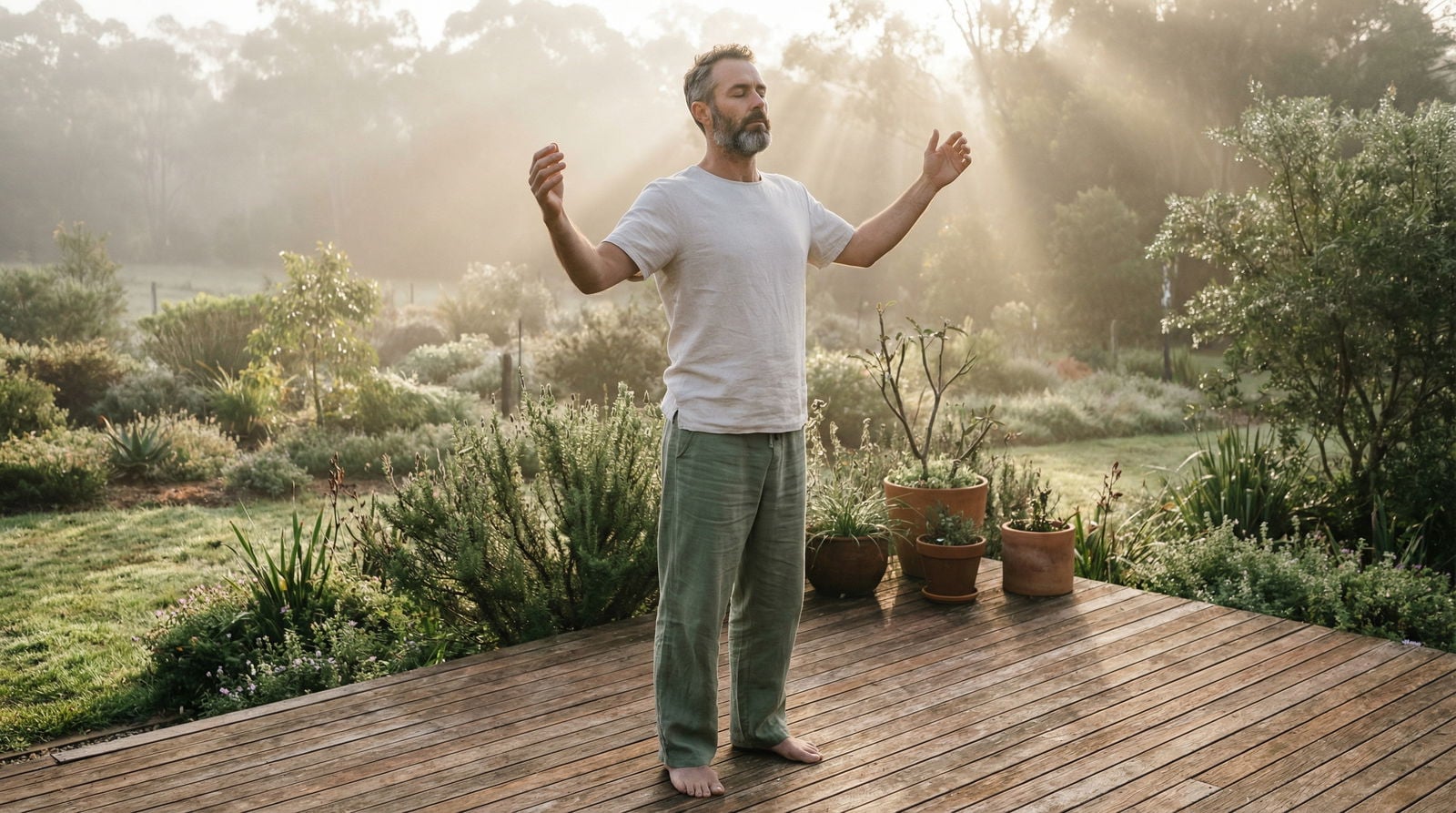
La respiración es la única función autónoma que puedes controlar conscientemente. Este simple hecho tiene profundas implicaciones para tu salud mental, niveles de estrés y bienestar general.
En esta guía completa, exploraremos la ciencia detrás del breathwork, te enseñaremos las técnicas más efectivas y te mostraremos cómo construir una práctica sostenible que transforme tu vida diaria.
¿Qué es el breathwork?
El breathwork abarca cualquier práctica respiratoria realizada con conciencia e intención. A diferencia de la respiración automática, estas técnicas conscientes influyen directamente en tu sistema nervioso, estado emocional y claridad mental.
La práctica tiene raíces en tradiciones antiguas —desde el pranayama yóguico hasta el budismo tibetano— pero la ciencia moderna ahora valida lo que los practicantes han sabido durante milenios: cómo respiras cambia cómo te sientes.
La ciencia detrás de la respiración
Cuando tomas respiraciones lentas y profundas, activas el sistema nervioso parasimpático—el modo "descansar y digerir" de tu cuerpo. Esto desencadena una cascada de cambios fisiológicos:
- La frecuencia cardíaca disminuye
- La presión arterial baja
- El cortisol (hormona del estrés) desciende
- El GABA (neurotransmisor calmante) aumenta
- La actividad de la corteza prefrontal mejora
Investigación de la Universidad de Stanford encontró que patrones específicos de respiración pueden reducir la ansiedad más rápido que la meditación sola. La clave está en la relación exhalación-inhalación—exhalaciones más largas señalan seguridad a tu cerebro.
Técnicas esenciales de breathwork
1. Respiración cuadrada (4-4-4-4)
También llamada respiración de caja, esta técnica es utilizada por los Navy SEALs para mantener la calma bajo presión. Es la base de muchas prácticas respiratorias.
Cómo practicar:
- Inhala lentamente durante 4 segundos
- Mantén la respiración durante 4 segundos
- Exhala lentamente durante 4 segundos
- Mantén los pulmones vacíos durante 4 segundos
- Repite 4-8 ciclos
Mejor para: Concentración, alivio del estrés, enraizamiento antes de eventos importantes
Prueba nuestra herramienta interactiva de respiración cuadrada con guía visual y señales de audio.
2. Respiración 4-7-8 (Respiración relajante)
Desarrollada por el Dr. Andrew Weil, esta técnica se llama un "tranquilizante natural para el sistema nervioso". La exhalación extendida es clave.
Cómo practicar:
- Exhala completamente por la boca
- Inhala silenciosamente por la nariz durante 4 segundos
- Mantén la respiración durante 7 segundos
- Exhala completamente por la boca durante 8 segundos
- Repite 3-4 ciclos
Mejor para: Dormir, ansiedad aguda, calmar el pánico
3. Respiración diafragmática (Respiración abdominal)
La mayoría de los adultos respiran superficialmente en el pecho. La respiración diafragmática involucra tu capacidad pulmonar completa y masajea el nervio vago.
Cómo practicar:
- Coloca una mano en el pecho, otra en el abdomen
- Respira por la nariz—el abdomen sube, el pecho permanece quieto
- Exhala lentamente—el abdomen baja naturalmente
- Concéntrate en hacer que la mano del abdomen se mueva más que la del pecho
- Practica durante 5-10 minutos
Mejor para: Práctica diaria, construir conciencia respiratoria, reducir tensión crónica
4. Suspiro fisiológico
Descubierto por el neurocientífico de Stanford Andrew Huberman, esta es la forma más rápida de calmarse—tu cuerpo lo hace naturalmente al llorar.
Cómo practicar:
- Toma una inhalación profunda por la nariz
- En la cima, añade una segunda inhalación corta (llenando completamente tus pulmones)
- Exhalación larga y lenta por la boca
- Solo 1-3 suspiros pueden cambiar tu estado
Mejor para: Alivio inmediato del estrés, reinicio después de un desencadenante
5. Respiración coherente
Respirar a 5-6 respiraciones por minuto crea "coherencia de variabilidad del ritmo cardíaco"—un estado asociado con regulación emocional y resiliencia.
Cómo practicar:
- Inhala durante 5-6 segundos
- Exhala durante 5-6 segundos
- Sin pausas entre respiraciones
- Continúa durante 5-20 minutos
Mejor para: Meditación diaria, equilibrio emocional, salud del sistema nervioso a largo plazo
Construyendo tu práctica de breathwork
Empieza pequeño
No intentes practicar 20 minutos el primer día. Empieza con:
- Semana 1-2: 3-5 minutos, una vez al día
- Semana 3-4: 5-10 minutos, una vez al día
- Mes 2+: 10-15 minutos, o dos veces al día
Elige tu ancla
Vincula el breathwork a un hábito existente:
- Mañana: Practica antes de revisar tu teléfono
- Mediodía: Usa la respiración de concentración antes de tareas importantes
- Noche: Respiración 4-7-8 antes de dormir
Rastrea tu progreso
Observa cambios en:
- Niveles base de estrés
- Calidad del sueño
- Respuesta a desencadenantes
- Concentración y claridad
- Tensión física
Breathwork para situaciones específicas
Para el sueño
La mejor rutina pre-sueño combina múltiples técnicas:
- Comienza con 2-3 minutos de respiración diafragmática
- Transiciona a respiración 4-7-8 (4-6 ciclos)
- Si aún estás despierto, continúa con respiración coherente
Combina esto con nuestra calculadora de sueño para optimizar tu hora de dormir.
Para ansiedad y pánico
Cuando la ansiedad golpea, tu respiración es tu ancla:
- Inmediato: 1-3 suspiros fisiológicos
- Próximos 2-3 minutos: Respiración cuadrada
- Si es necesario: Respiración de exhalación extendida (inhala 4, exhala 8)
Para momentos agudos, nuestro botón de pánico proporciona calma de emergencia guiada.
Para concentración y energía
Antes de trabajo profundo o cuando la energía baja:
- Respiración energizante: Inhalaciones rápidas y rítmicas por la nariz
- Respiración cuadrada: 4-6 ciclos para centrarse
- Respiración coherente: Mantén durante la sesión de trabajo
Combina con el temporizador pomodoro para bloques de concentración estructurados.
Para recuperación del estrés
Después de un evento estresante:
- Retírate de la situación si es posible
- 3 suspiros fisiológicos
- 5 minutos de respiración coherente
- Movimiento suave (caminar, estirar)
Prácticas avanzadas de breathwork
Una vez que domines los fundamentos, explora:
Respiración de fosas nasales alternas (Nadi Shodhana)
Una técnica yóguica para equilibrar los hemisferios cerebrales izquierdo y derecho.
Método Wim Hof
Combina patrones de respiración específicos con exposición al frío. Nuestro temporizador de ducha fría puede apoyar esta práctica.
Respiración holotrópica
Una práctica intensa para liberar emociones—solo intenta con un facilitador capacitado.
Errores comunes a evitar
- Forzar la respiración: Deja que sea natural dentro de la estructura
- Ignorar la incomodidad: El mareo significa ir más despacio
- Inconsistencia: La práctica diaria supera a las sesiones largas ocasionales
- Tiempo incorrecto: Evita el breathwork intenso justo después de comer
- Esperar resultados instantáneos: El cambio del sistema nervioso toma semanas
La ciencia: Qué muestran las investigaciones
Estudios recientes demuestran la efectividad del breathwork:
- Stanford (2023): Los suspiros cíclicos redujeron la ansiedad más efectivamente que la meditación mindfulness en un estudio controlado de 108 participantes
- Frontiers in Psychology (2017): El entrenamiento de respiración diafragmática redujo significativamente los niveles de cortisol y mejoró la atención sostenida
- Frontiers in Human Neuroscience (2018): Una revisión sistemática encontró que las técnicas de respiración lenta afectan positivamente las respuestas autonómicas y psicológicas
Inicia tu viaje de breathwork
No necesitas equipo especial, una habitación silenciosa ni horas de tiempo libre. Solo necesitas tu respiración—disponible 24/7, dondequiera que estés.
Comienza con una técnica. Practícala diariamente durante dos semanas. Observa qué cambia.
Tu respiración es el puente entre tu mente consciente y sistema nervioso autónomo. Aprende a cruzarlo, y obtendrás acceso a calma, concentración y resiliencia bajo demanda.
Preguntas frecuentes
¿Qué es el breathwork y cómo funciona?
El breathwork se refiere a prácticas de respiración consciente que influyen en tu estado mental, emocional y físico. Funciona activando el sistema nervioso parasimpático, reduciendo el cortisol y aumentando el flujo de oxígeno al cerebro.
¿Cuánto tiempo debo practicar breathwork cada día?
Empieza con 5-10 minutos diarios. Incluso 3 respiraciones profundas pueden ayudar en momentos de estrés. Para beneficios más profundos, aumenta a 15-20 minutos. La consistencia importa más que la duración.
¿Cuál es la mejor técnica de respiración para la ansiedad?
La técnica 4-7-8 es muy efectiva para la ansiedad. Inhala durante 4 segundos, mantén durante 7, exhala durante 8. Esta exhalación prolongada activa el nervio vago y calma la respuesta de lucha o huida.
¿Puede el breathwork ayudar con el sueño?
¡Sí! Técnicas como la respiración 4-7-8 y la respiración cuadrada antes de dormir pueden reducir los pensamientos acelerados, disminuir la frecuencia cardíaca y preparar tu cuerpo para un sueño reparador.
¿Es el breathwork seguro para todos?
La mayoría de las técnicas suaves son seguras. Sin embargo, prácticas intensas como la respiración holotrópica deben abordarse con precaución. Consulta a un profesional de la salud si tienes condiciones respiratorias, problemas cardíacos o estás embarazada.
Fuentes
- Balban, M.Y., et al. (2023). Brief structured respiration practices enhance mood and reduce physiological arousal. Cell Reports Medicine.
- Ma, X., et al. (2017). The Effect of Diaphragmatic Breathing on Attention, Negative Affect and Stress in Healthy Adults. Frontiers in Psychology.
- Zaccaro, A., et al. (2018). How Breath-Control Can Change Your Life: A Systematic Review on Psycho-Physiological Correlates of Slow Breathing. Frontiers in Human Neuroscience.
- Russo, M.A., et al. (2017). The physiological effects of slow breathing in the healthy human. Breathe.
Preguntas frecuentes
¿Qué es el breathwork y cómo funciona?
El breathwork se refiere a prácticas de respiración consciente que influyen en tu estado mental, emocional y físico. Funciona activando el sistema nervioso parasimpático, reduciendo el cortisol y aumentando el flujo de oxígeno al cerebro.
¿Cuánto tiempo debo practicar breathwork cada día?
Empieza con 5-10 minutos diarios. Incluso 3 respiraciones profundas pueden ayudar en momentos de estrés. Para beneficios más profundos, aumenta a 15-20 minutos. La consistencia importa más que la duración.
¿Cuál es la mejor técnica de respiración para la ansiedad?
La técnica 4-7-8 es muy efectiva para la ansiedad. Inhala durante 4 segundos, mantén durante 7, exhala durante 8. Esta exhalación prolongada activa el nervio vago y calma la respuesta de lucha o huida.
¿Puede el breathwork ayudar con el sueño?
¡Sí! Técnicas como la respiración 4-7-8 y la respiración cuadrada antes de dormir pueden reducir los pensamientos acelerados, disminuir la frecuencia cardíaca y preparar tu cuerpo para un sueño reparador.
¿Es el breathwork seguro para todos?
La mayoría de las técnicas suaves son seguras. Sin embargo, prácticas intensas como la respiración holotrópica deben abordarse con precaución. Consulta a un profesional de la salud si tienes condiciones respiratorias, problemas cardíacos o estás embarazada.
Descarga Still You
Experimenta ejercicios de respiración guiada, relatos para dormir y sesiones de mindfulness. Tu santuario de paz interior.
Investigado y escrito por Equipo Editorial de Still You
Equipo de Investigación en Bienestar
Nuestro equipo editorial colabora en cada artículo, combinando investigación de fuentes revisadas por expertos con las perspectivas de profesores de meditación y escritores de salud.
Continúa Tu Viaje
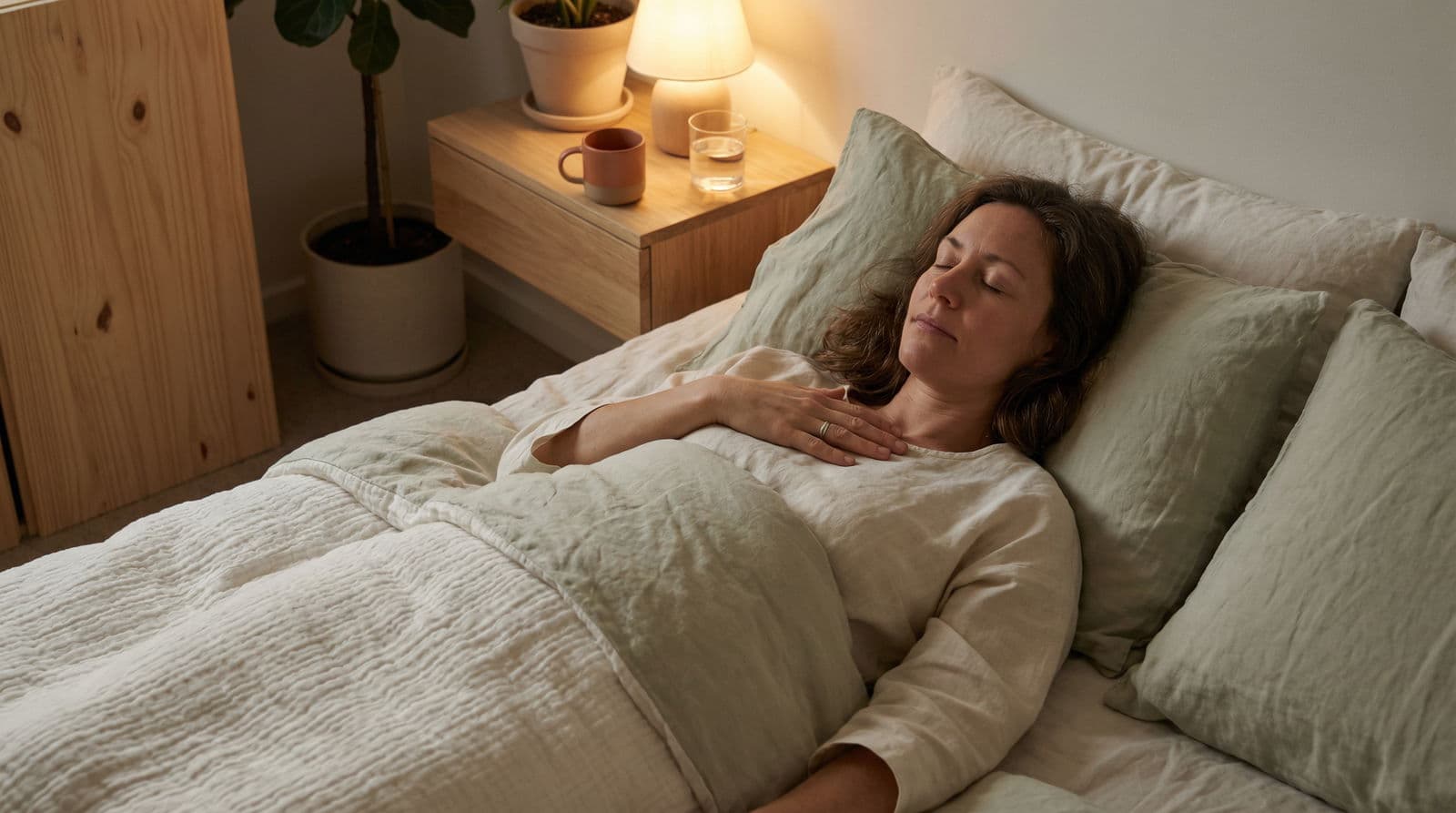
Respirar para dormir profundo: 3 técnicas
3 técnicas de respiración adaptadas a tu problema de sueño. Mente acelerada, tensión o imposibilidad de relajarte — elige tu patrón y prueba nuestra herramienta gratis.
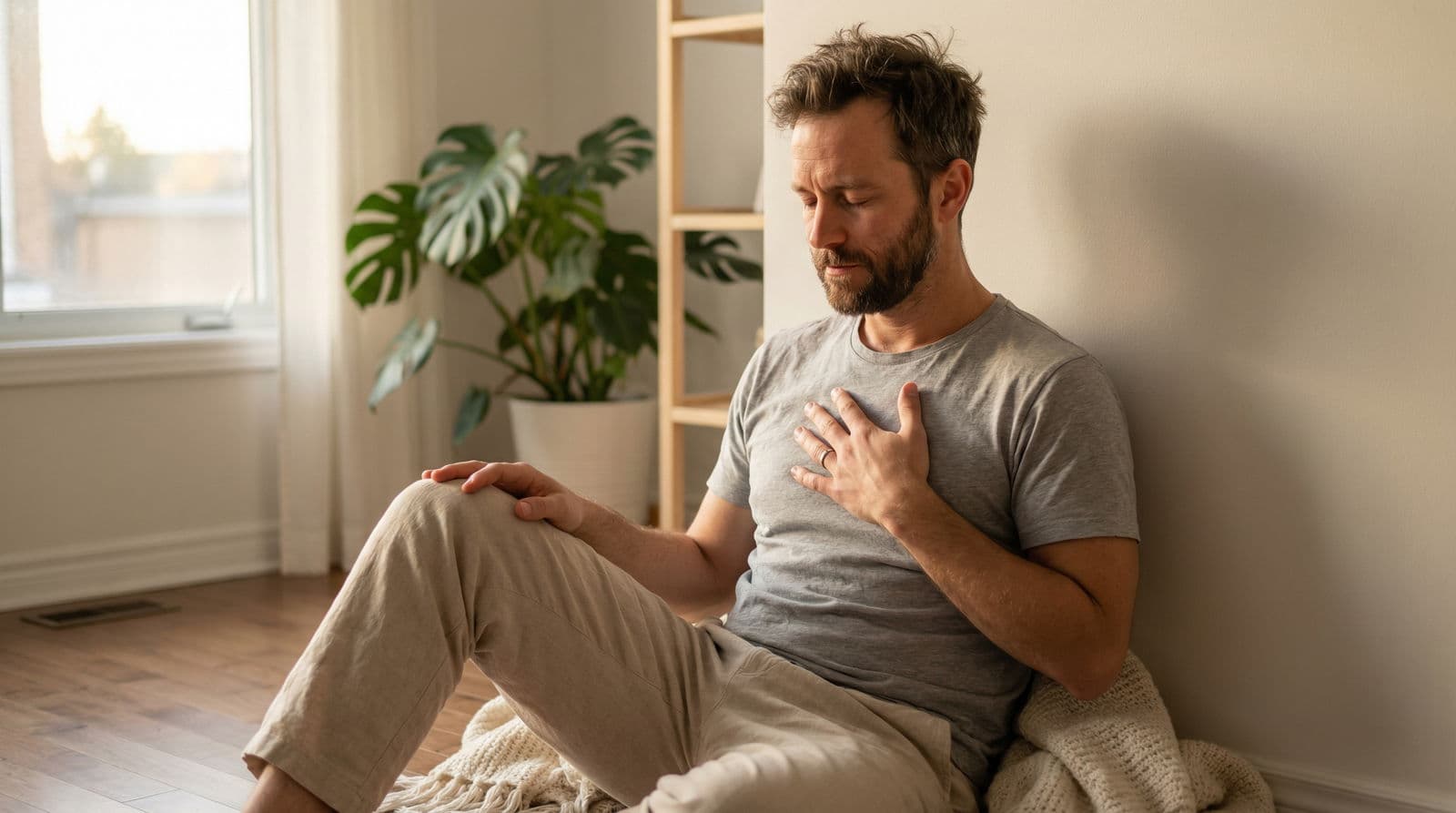
Ejercicios de Respiración para la Ira: Cálmate en 60 Segundos
Conoce 3 técnicas de respiración respaldadas por investigaciones que interrumpen la ira en menos de 60 segundos. El enfoque desde el cuerpo hacia el control de la rabia que los terapeutas rara vez enseñan.

Respiración Cuadrada en el Trabajo: Calma la Ansiedad en 90s
Aprende a usar la respiración cuadrada en el trabajo sin que nadie lo note. Técnicas prácticas para calmarte en tu escritorio en 90 segundos. Herramienta gratis incluida.